
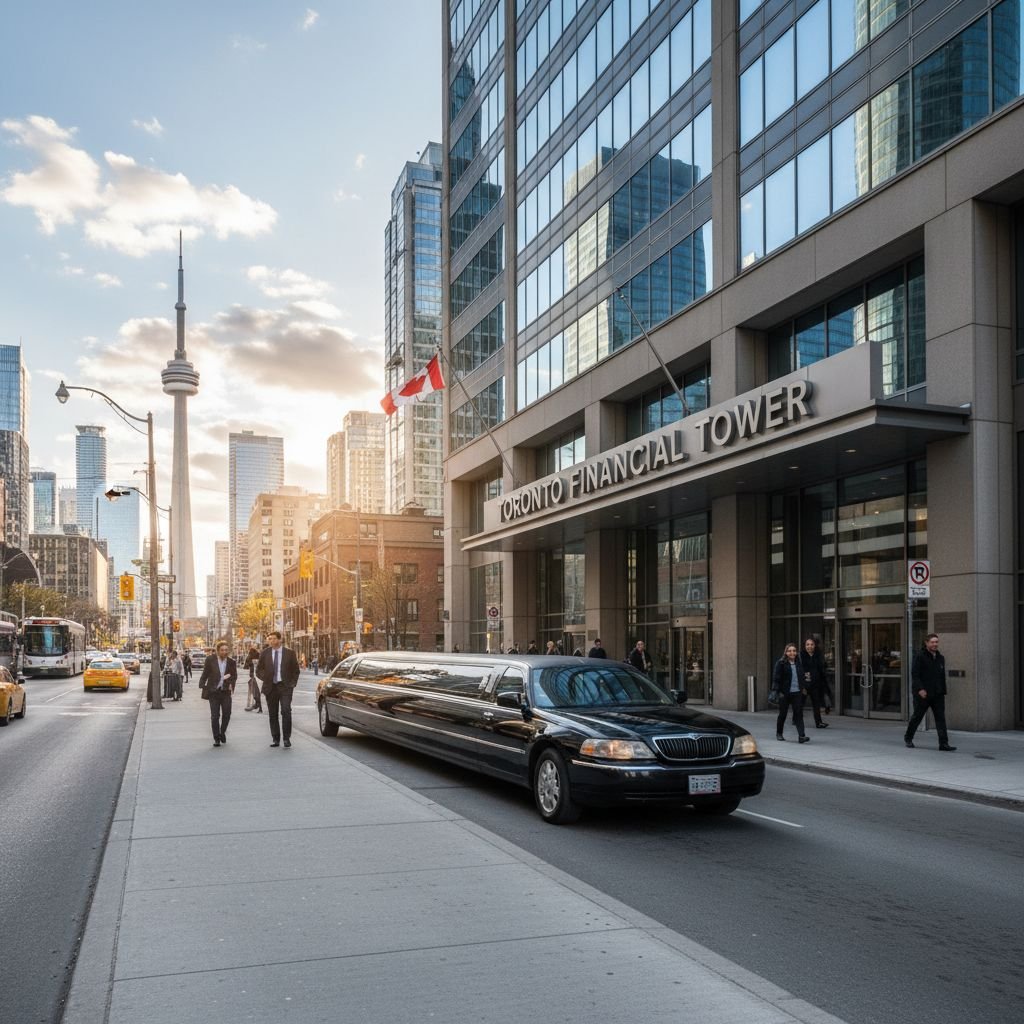
Why Corporate Toronto Uses Chauffeurs Instead of Uber — Time, Control, Reputation
In Toronto, executives don’t “get a ride.”
They protect their calendar.
Uber is a ride.
Taxi is a gamble.
A corporate chauffeur is a tool for performance.
The moment you understand that, transportation stops being an expense and becomes a resource.
Rule #1 — Business Travel Is About Control, Not Movement
Executives do not care about seat type or window view.
They care about:
• quiet time
• no small talk
• reliable Wi-Fi
• device charging
• zero chaos
• no waiting in the cold
• predictable arrival time
• professional handling of luggage and documents
Rideshare drivers don’t think like this.
They want ratings.
Chauffeurs want results.
Rule #2 — A Chauffeur Eliminates Cognitive Load
Toronto clients don’t want to:
• text random drivers
• check license plates
• argue over pick-up zones
• fight surge pricing
• coordinate 3 Ubers for staff
• track airport luggage
• reschedule last-minute meetings
• turn Wi-Fi hotspot on/off
A chauffeur handles all of it before you even think about it.
You are not paying for a vehicle.
You are offloading decisions.
That’s why CEOs, real estate investors, and corporate legal teams only use chauffeurs.
Rule #3 — Airport Work Is Not About “Getting There”
Corporate Toronto often flies in:
• U.S. investors
• manufacturing CEOs
• VC funds
• government delegates
• athletes & agents
• touring artists
• influencers with management teams
If the guest stands curbside waiting, the relationship suffers instantly.
A chauffeur:
• tracks the flight
• meets at arrivals
• assists luggage
• escorts to vehicle
• maintains privacy
• keeps the schedule
They land → they walk → they sit.
You never look unprepared.
Rule #4 — Your Vehicle Is Your Reputation
You don’t pick up a $30M client in an UberXL with stained seats.
Executives expect:
• Cadillac Escalade
• Lincoln Navigator stretch
• Mercedes sedan
• luxury SUV
• stretch limo for VIP delegations
• shuttle for corporate teams
Corporate chauffeuring is an extension of your office, not a ride.
Image isn’t vanity.
Image protects trust.
Rule #5 — Chauffeurs Are Trained Risk Managers
Toronto chauffeurs are not “drivers.”
They are:
• licensed
• vetted
• screened
• background-checked
• trained in difficult weather
• calm under pressure
• prepared for professional etiquette
They handle:
• winter storms on 401
• sudden route changes
• security risks
• flight delays
• missing luggage
• rescheduled dinners
• executives who hate crowds
Taxi drivers don’t train for this.
Uber drivers don’t prepare for this.
Some don’t even know how to secure a garment bag.

The Corporate Math — Why Chauffeurs Are Cheaper
Your workforce’s time is more expensive than transportation.
Example:
• 5 executives in 2 Ubers → 6–12 minutes of confusion
• airport curb chaos → 10–20 minutes
• luggage issues → 10 minutes
• traffic rerouting → 10 minutes
That’s 30–45 minutes of brain juice wasted
per person.
Multiply by hourly billable rate?
The “cheap solution” becomes extremely expensive.
A chauffeur collapses that waste into:
• instant pickup
• silent ride
• productivity in the vehicle
• arrival on schedule
Confidentiality & Discretion — The Corporate Superpower
Toronto business conversations in Ubers get people fired.
Drivers hear:
• acquisition numbers
• deal structures
• salaries
• merger rumors
• personnel issues
• client disputes
Never forget:
Uber drivers are random humans with phones.
Corporate chauffeurs:
• don’t speak unless required
• don’t ask where you work
• don’t discuss the ride
• don’t post TikTok stories
• don’t leak your plans
Your vehicle becomes a mobile boardroom, not a liability.
Staff Transfers — The Silent Killer of Rideshare
When companies move:
• 5–30 staff
• between offices
• to conferences
• to training facilities
• to airport hotels
• to offsite meetings
Uber turns into:
• chaos
• delays
• “Where are you?”
• “He cancelled again.”
• “The app is glitching.”
• “I’m next door at Starbucks.”
One corporate shuttle, one executive chauffeur, one itinerary:
• people arrive together
• no one gets left behind
• timing is predictable
• HR doesn’t panic
• CFO smiles